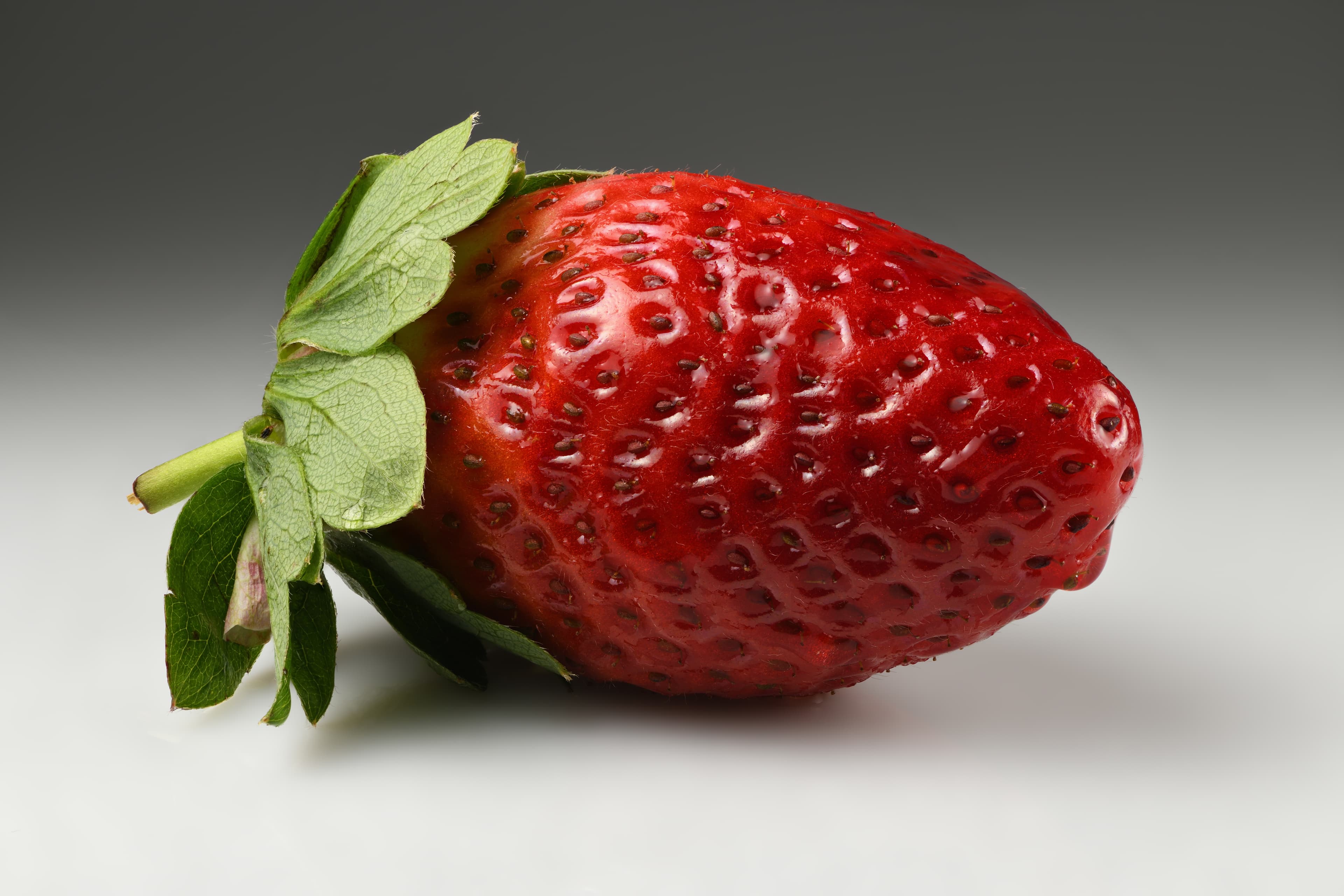
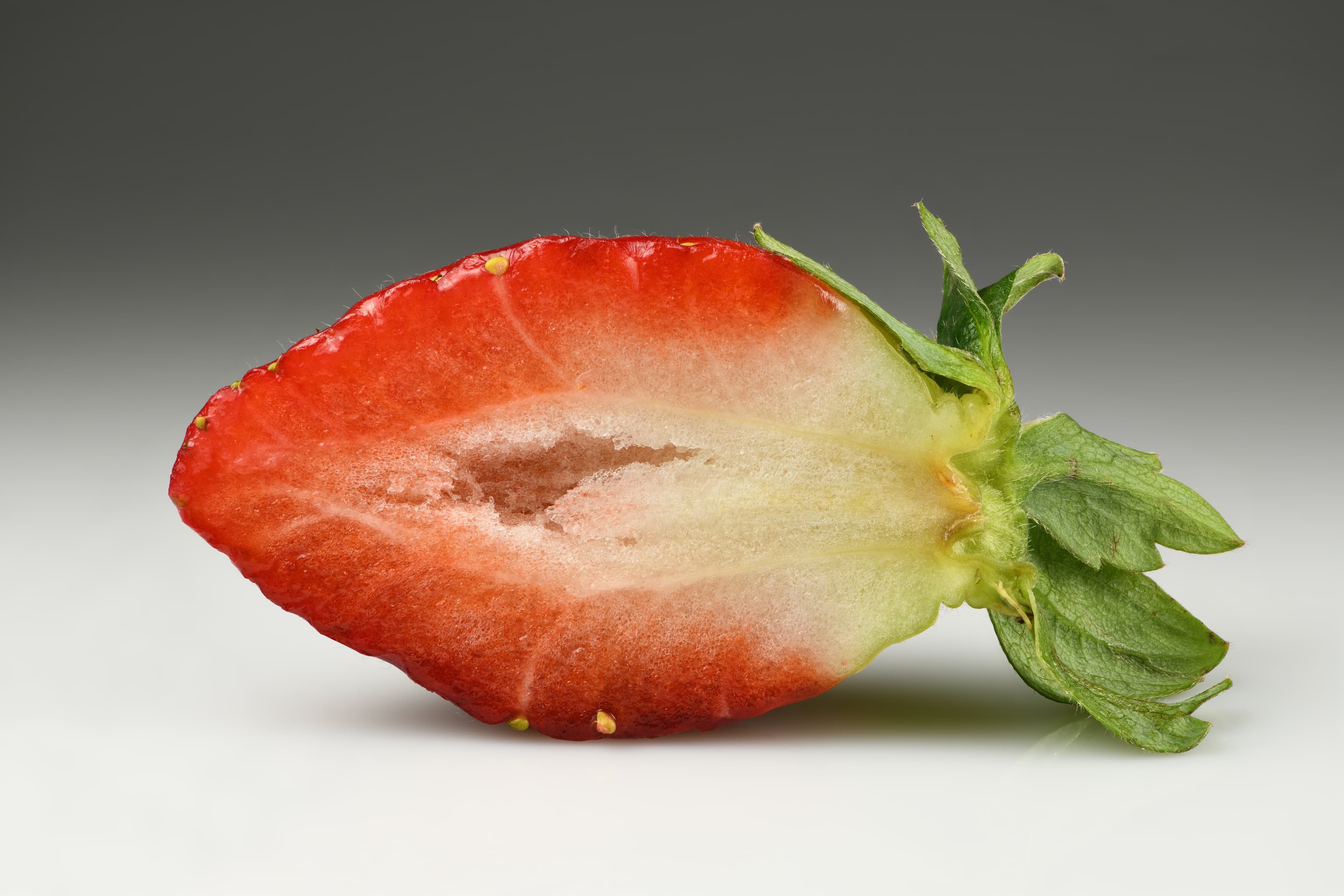
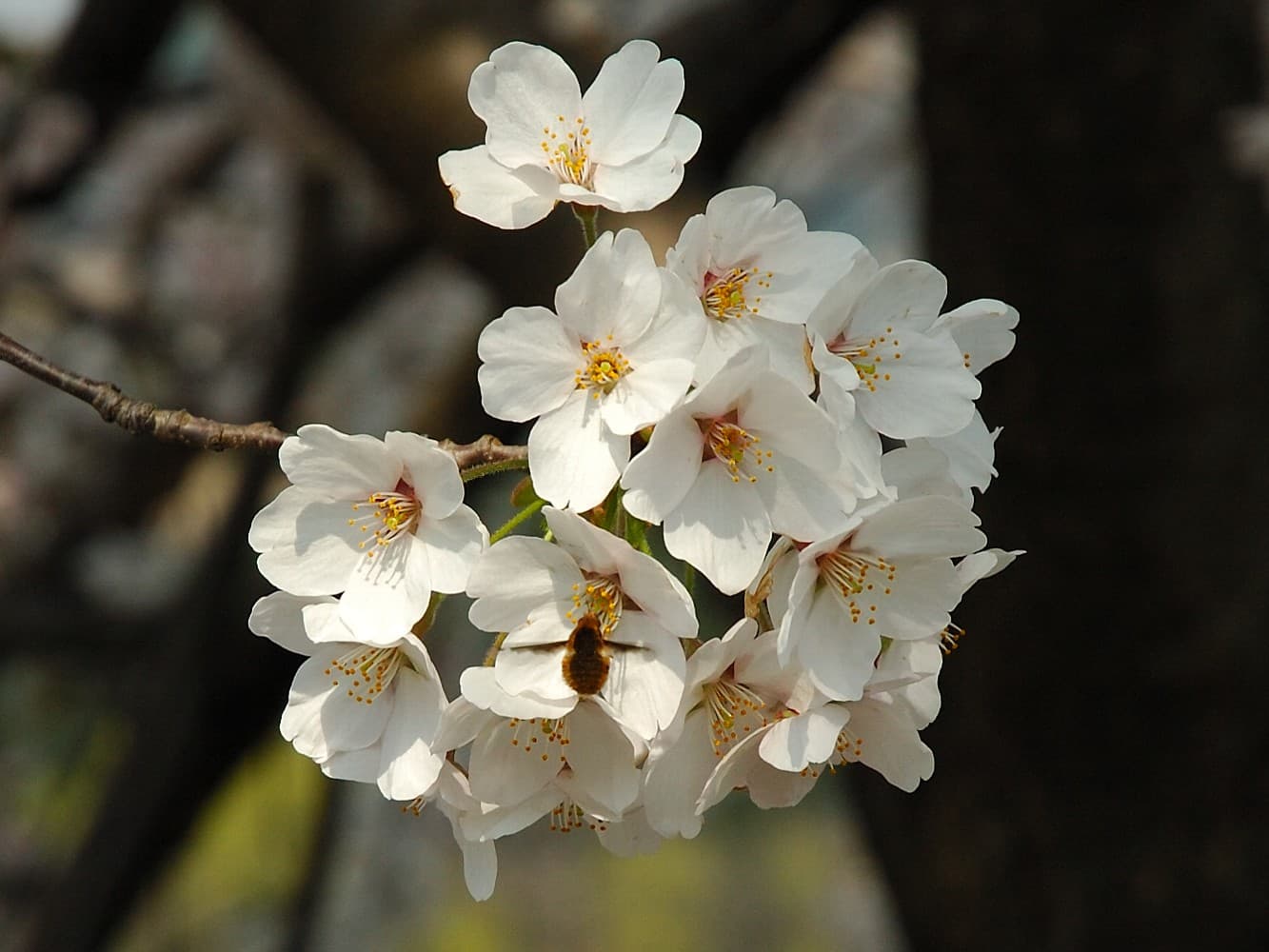
Stuhlfauth Thomas via Wikimedia Commons (cc by_sa_4)
Gallery
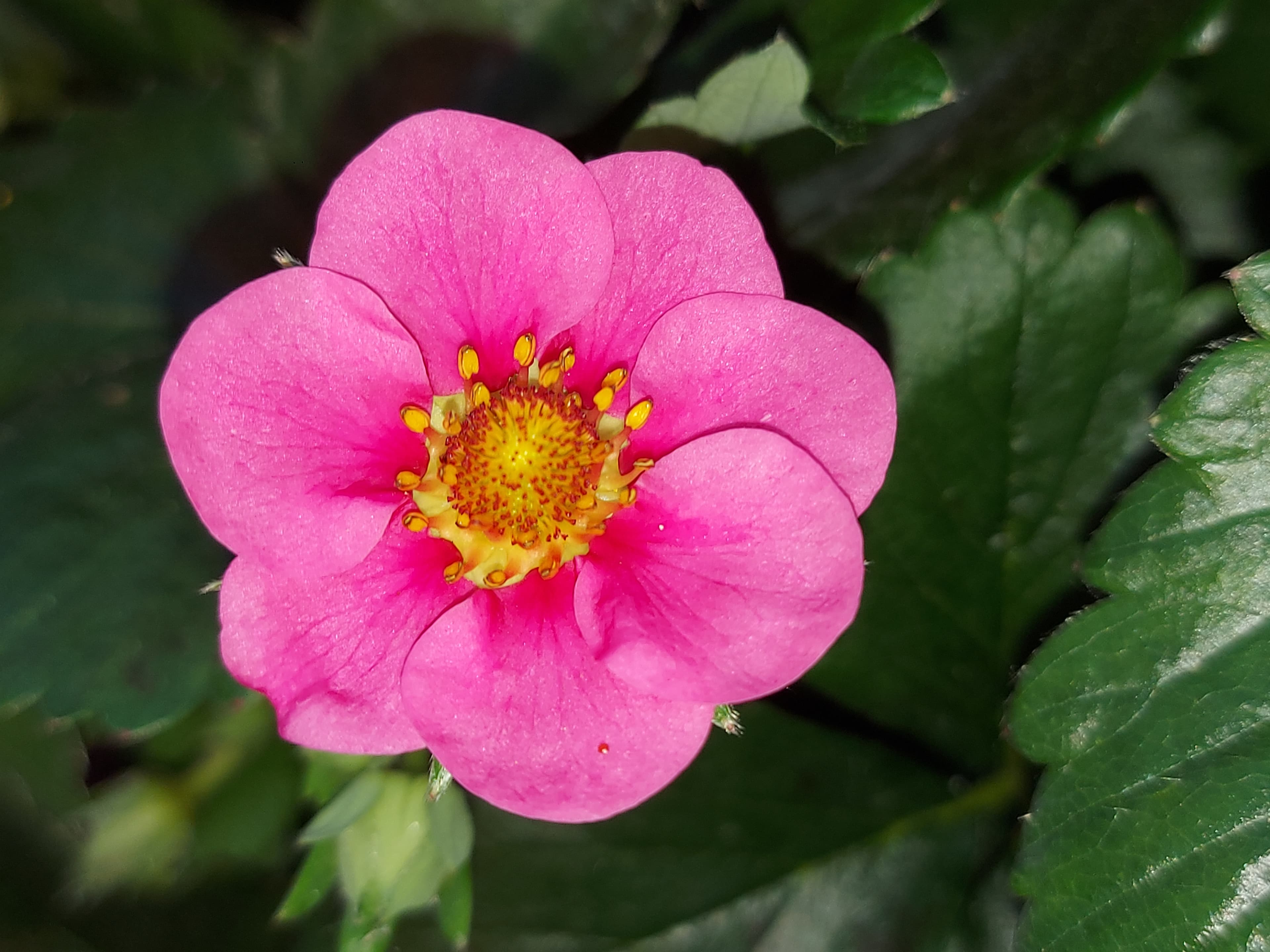
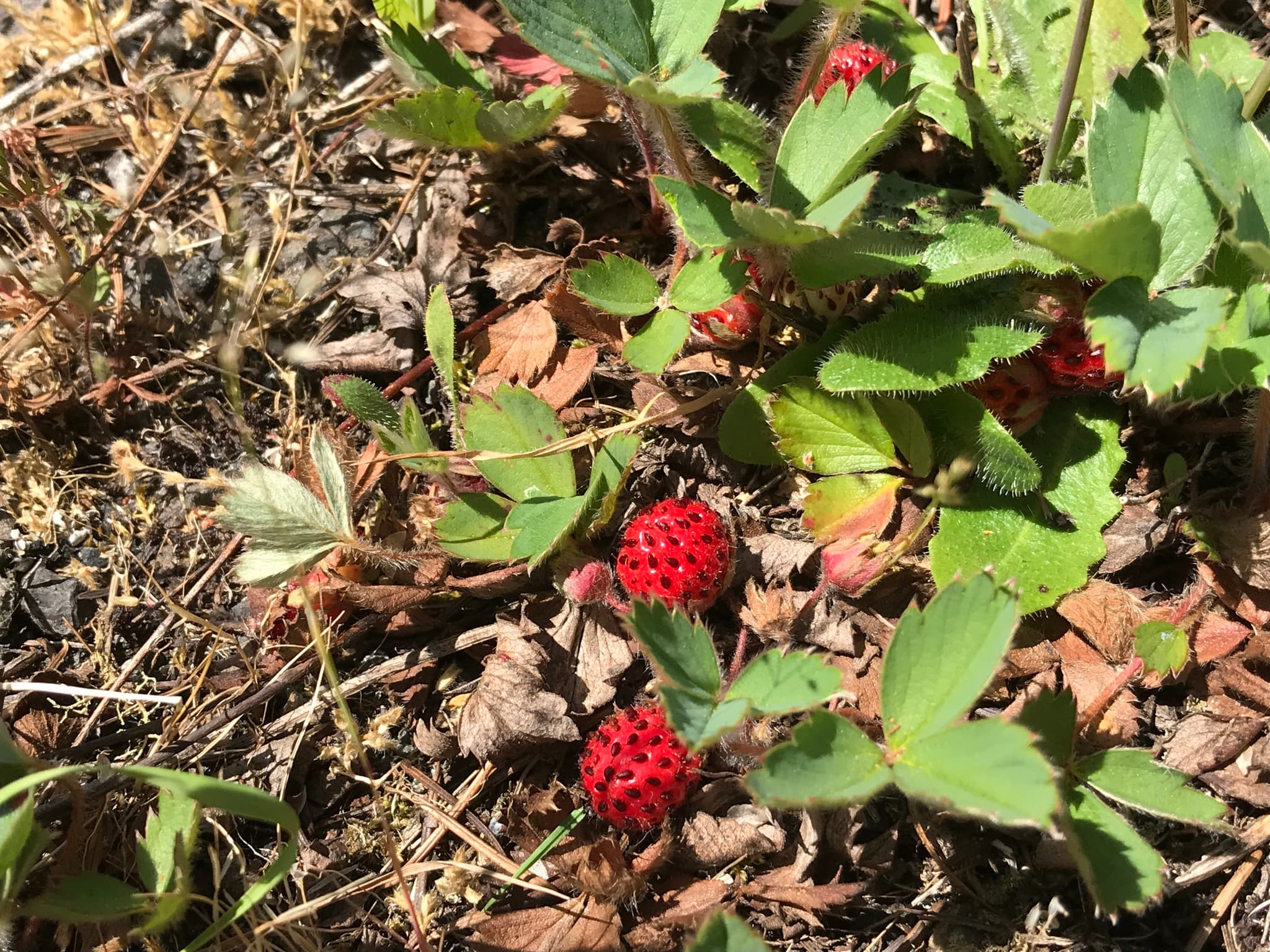
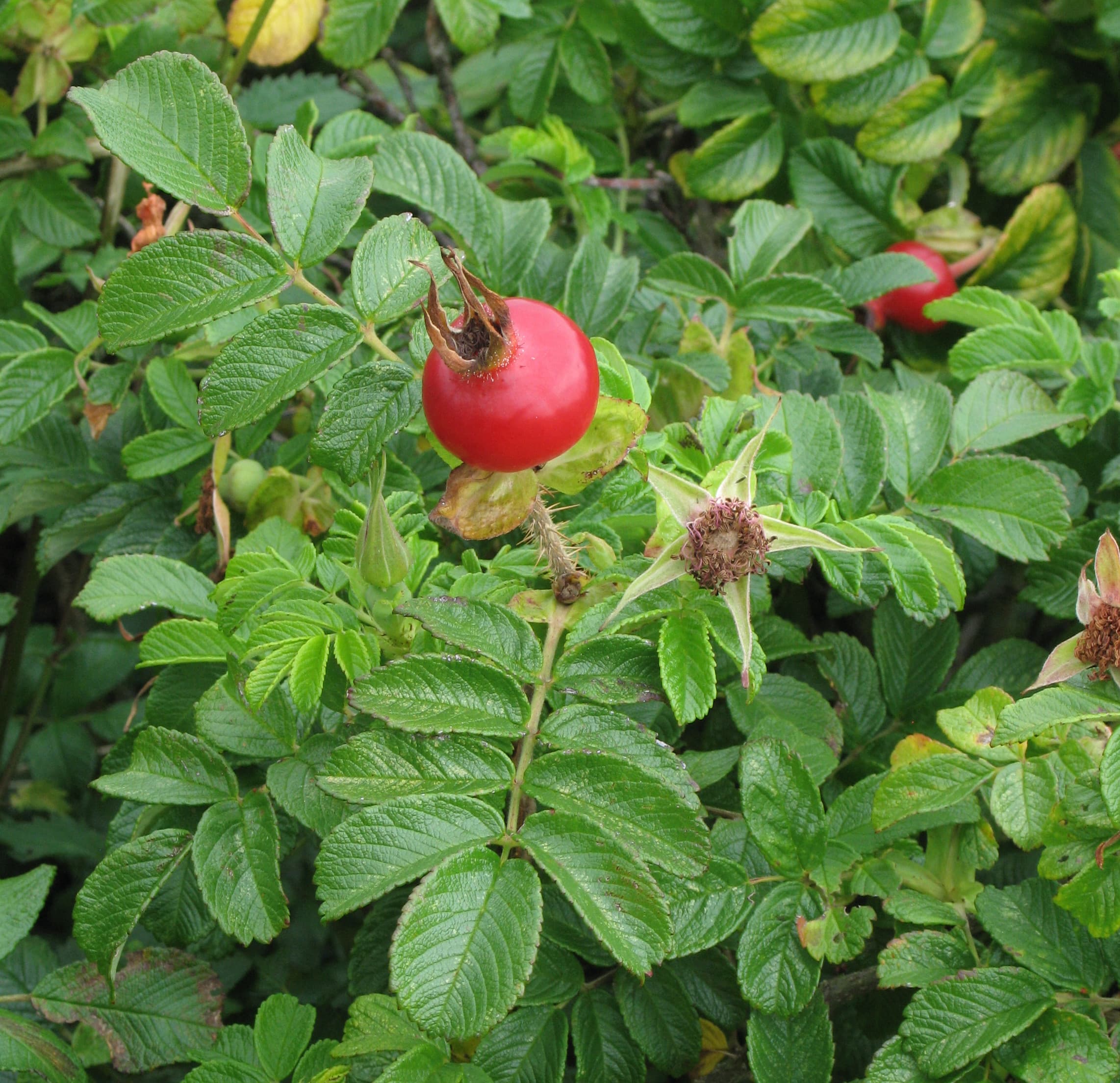
Aaron Liston via Wikimedia Commons (cc by_4)
Step by step
How to grow it
01
Pick a spot
Find a spot that gets at least six hours of direct sun. Plant it outdoors, ideally sheltered from the harshest afternoon wind.
02
Plant it
Use a rich, well-draining vegetable mix with compost worked in. Leave at least 18 inches around the plant so its roots and leaves have room to mature. Water it in gently once it's settled.
03
Water it
Water when the top inch of soil feels dry, roughly once a week in summer. Soak the soil, then let it breathe before the next round.
04
Feed & tend
This one is very forgiving. A balanced all-purpose fertiliser at the start of the growing season is plenty, and you can skip a month without harm. Plan on 15 minutes a week of hands-on care: watering, a quick trim, checking for pests.
05
Enjoy the bloom
Expect flowers in April to July. Deadhead spent blooms to encourage more, and take a minute to notice them. This is why you planted it.
Year at a glance
What to do, month by month.
Approximate for a temperate North American zone. Shift earlier the further south you garden, later the further north.
Jan
January: Sow
Seed indoors
Feb
February: Sow
Seed indoors
Mar
March: Plant
Move outdoors
Apr
April: Bloom
Flowers expected
May
May: Bloom
Flowers expected
Jun
June: Bloom
Flowers expected
Jul
July: Bloom
Flowers expected
Aug
August: Harvest
Pick produce
Sep
September: Harvest
Pick produce
Oct
October: Harvest
Pick produce
Nov
November: Rest
Dormant
Dec
December: Rest
Dormant
Recommended supplies
#ad
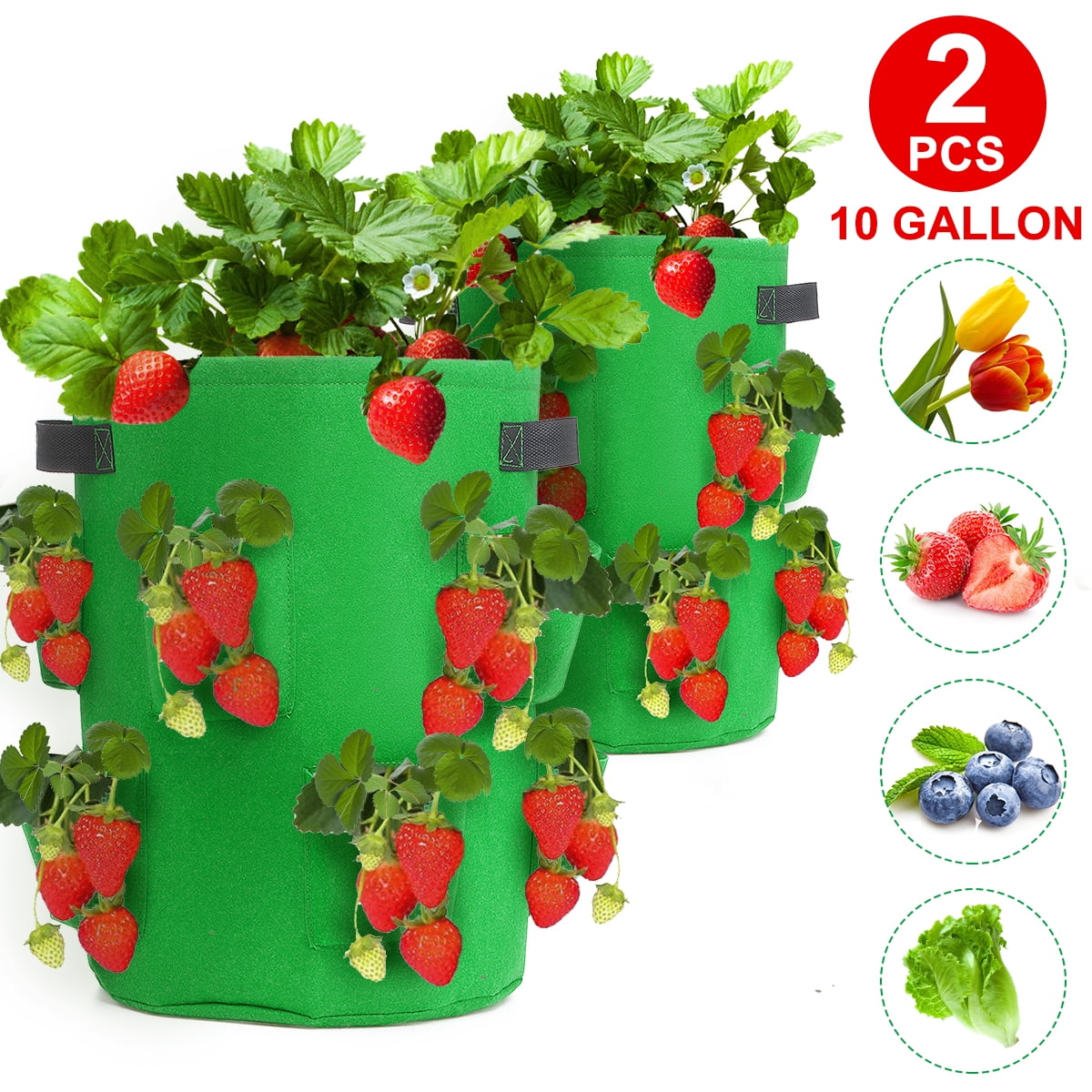
Tools you need to grow Garden Strawberry.
We may earn a commission if you buy through these links, at no extra cost to you. Every product is curated by hand and chosen because it actually helps with this plant, not because it pays the highest rate.
Push a spike beside each plant in spring and again mid-season. Slow-release fertilizer at the root zone rather than on the surface means less runoff and more consistent feeding for everbearing varieties.
Load the Tower's central composting tube with red wigglers and kitchen scraps convert to castings before they reach the root zone. Strawberries draw directly on that output through the drainage slots at each tier level. Worms also aerate the tube so it never compacts or goes anaerobic between feedings.
At Bloomwise, we only publish toxicity information when a human has checked it against a primary source. Until that happens, treat this plant as potentially harmful to pets and children: don't let it be eaten or chewed, and consult the ASPCA or your vet if anyone does. You can also search the ASPCA's public toxic-plant database below.
Bloomwise is not a substitute for veterinary or medical advice. Every line above comes from a hand-verified reference.
Frequently asked
Common questions.
What USDA zones does Garden Strawberry grow in?+
Garden Strawberry is hardy in USDA zones 3a to 9b. If your winter lows fall outside that range, grow it in a container you can bring indoors, or treat it as an annual.
How often should I water Garden Strawberry?+
Water about once a week in summer, adjusting for rainfall. Soak the soil, then let it breathe before watering again.
How much sunlight does Garden Strawberry need?+
Garden Strawberry prefers at least six hours of direct sunlight per day.
Is Garden Strawberry safe for pets?+
We haven't verified toxicity information for Garden Strawberry. Treat it as potentially harmful and keep it out of reach of pets and children. If a pet eats any part of it, call the ASPCA Animal Poison Control Center at (888) 426-4435.
Is Garden Strawberry good for beginners?+
Yes, this is a forgiving plant that tolerates inconsistent watering and the occasional missed feeding. A good choice for a first garden.
Plant facts on this page come from a blend of public-domain and open-licensed datasets: Biodiversity Heritage Library (historical botanical illustrations, public domain), USDA PLANTS (taxonomy, public domain), GBIF (occurrence and taxonomy, CC-BY 4.0), OpenFarm (crop guides, CC-BY-SA 3.0), and Open-Meteo (climate and hardiness lookup, CC-BY 4.0). Toxicity records come from the ASPCA Animal Poison Control Center and the Pet Poison Helpline; every row is hand-verified against a primary reference.