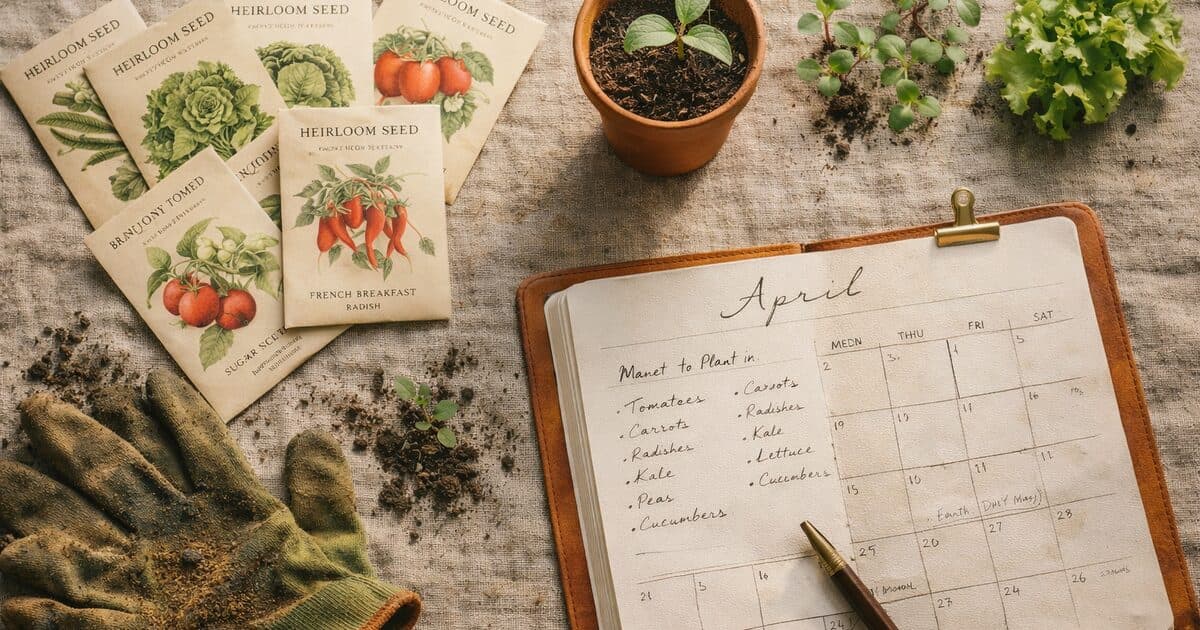
April is the most confusing month in gardening. The seed catalogs make it sound like everything should go in the ground right now. Your local nursery is packed with tomato starts. Your neighbor just planted. But if you're in Minnesota, Vermont, or Colorado, planting tomatoes outside in April is an expensive way to learn about frost.
The truth is simpler: April is a green light for about half the country and a yellow light for the rest. The dividing line is your last frost date — and it varies by as much as six weeks across US regions. This guide tells you exactly where you stand.
The only question that matters in April
Look up your last frost date. It's the date after which your area is statistically unlikely to see another killing frost. For warm-season plants — tomatoes, peppers, squash, basil — you want to transplant two weeks after that date, not on it.
Find yours at the Old Farmer's Almanac by zip code. Once you have that number, everything in this guide falls into place.
Last frost date by region — tomatoes safe after this date
Pacific Northwest
Mar 15
California
Feb 28
Southwest
Mar 1
South
Mar 15
Southeast
Mar 20
Mid-Atlantic
Apr 15
Midwest
Apr 25
New England
May 1
Mountain West
May 15
Northern Plains
May 20
Safe in April
Marginal in April
Wait until May
April is the month most beginners discover the difference between a seed catalog and a garden.
Plant these right now, regardless of your region
Cool-season crops are built for April temperatures. They shrug off a light frost — down to 28°F — without complaint, and most taste sweeter after a cold night: the plant converts starches to sugars as a cold defense.
If you're in the northern half of the country and your last frost date is still weeks away, these are your April plants. Get them in the ground now, before temperatures climb into the 80s and your lettuce bolts into oblivion.
Frost tolerant · Best in 40°F to 65°F
Cool-season crops: plant in April everywhere
 LettuceLettuce
 SpinachSpinach
 KaleKale
 Swiss chardSwiss chard
 ArugulaArugula
 PeasPeas
 BroccoliBroccoli
 CauliflowerCauliflower
 CabbageCabbage
 Bok choyBok choy
 RadishesRadishes
 TurnipsTurnips
 BeetsBeets
 CarrotsCarrots
 CilantroCilantro
 ParsleyParsley
 DillDill
 FennelFennel
 KohlrabiKohlrabi
 Brussels sproutsBrussels sprouts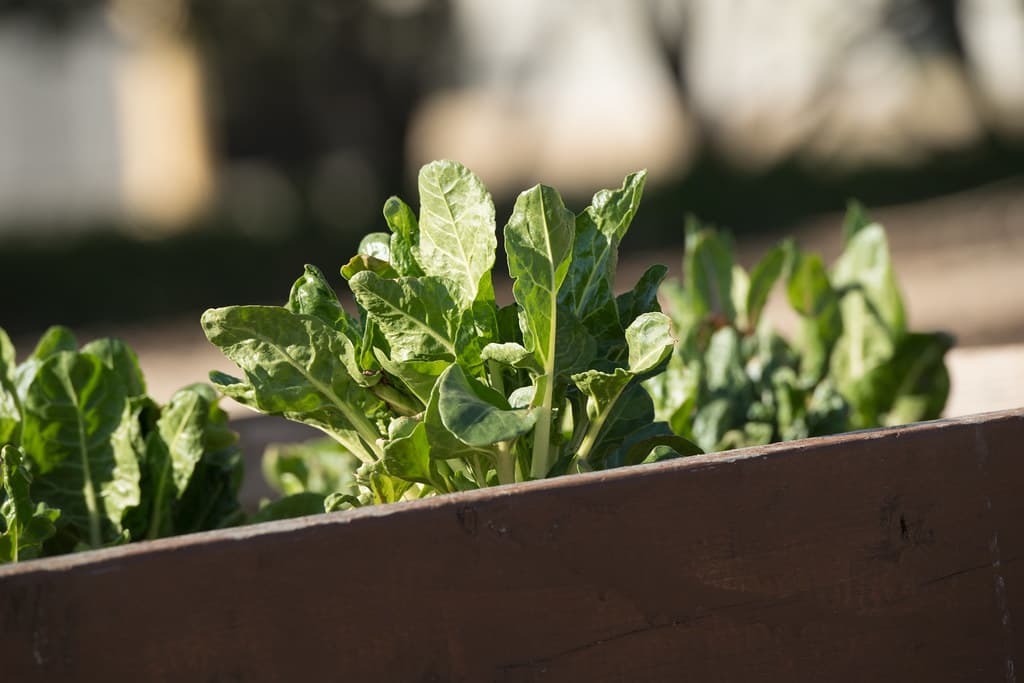
Warm-season crops: it depends entirely on your region
Tomatoes, peppers, eggplant, squash, cucumbers, melons, and basil all need consistently warm soil (above 60°F at 4 inches deep) and air temperatures that don't dip below 50°F at night. In the South, Southwest, and coastal California, that's April. In most of the Midwest and Northeast, you're looking at May or even early June.
Need soil above 60°F · No frost tolerance
Warm-season crops: safe to transplant in April in warm regions
 TomatoesTomatoes
 PeppersPeppers
 EggplantEggplant
 BasilBasil
 SquashSquash
 CucumbersCucumbers
 MelonsMelons
 WatermelonWatermelon
 OkraOkra
 Sweet cornSweet corn
 Pole beansPole beans
 Bush beansBush beans
 Lima beansLima beans
 EdamameEdamame
 GourdsGourds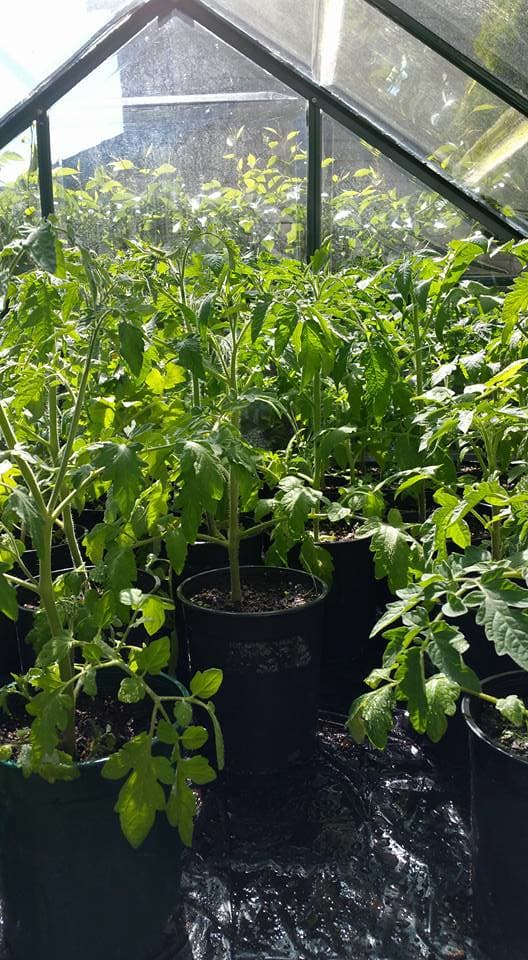
What about starting from seed indoors?
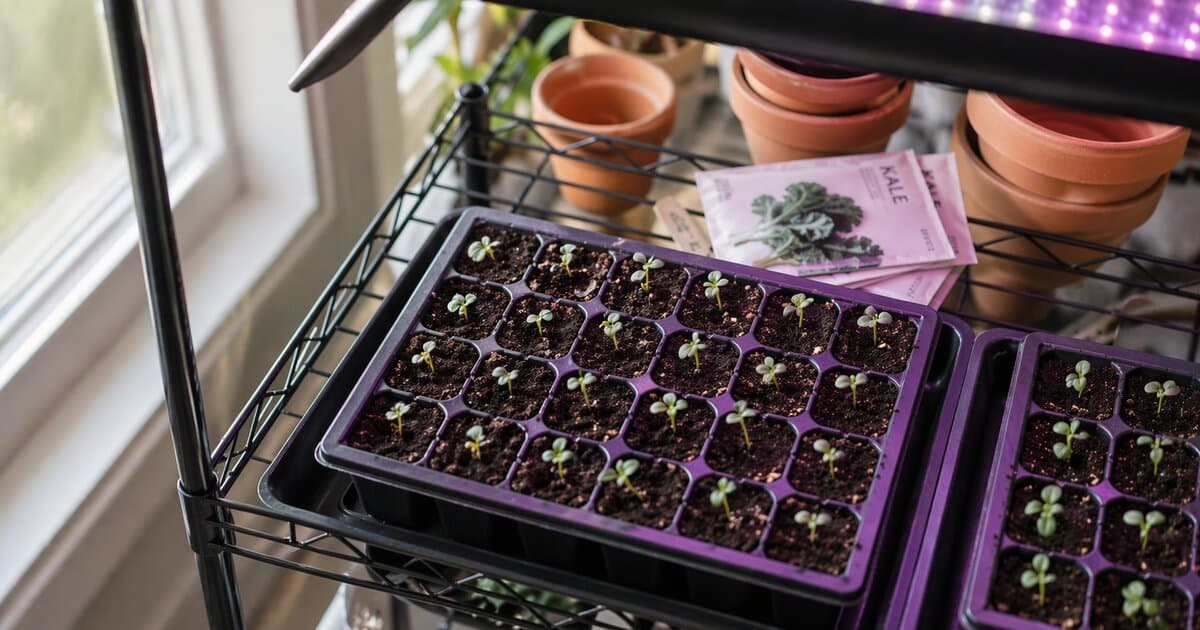
If your last frost date is still six or more weeks out, April is the window to start warm-season crops indoors under lights. Tomatoes and peppers need 6 to 8 weeks of indoor growing before they're ready to transplant. Start now, harden off in May, and you'll have strong transplants ready at exactly the right moment.
The hardening off process is often skipped and almost always regretted. It means gradually exposing your indoor-grown seedlings to outdoor conditions over 7 to 10 days: start with an hour of shade, work up to a full day of sun, and let them experience a cool (but not freezing) night before transplanting. This toughens cell walls and prevents transplant shock.
April by region: what to actually do
Pacific Northwest and Northern California
- Direct sow: peas, carrots, beets, radishes, spinach, lettuce
- Transplant: broccoli, cabbage, chard, kale starts
- Start indoors: tomatoes, peppers if you haven't already
- Wait on: outdoor tomato transplants until mid to late May
Southern California, Southwest, South
- Direct sow: beans, squash, cucumbers, melons
- Transplant: tomatoes, peppers, eggplant (soil is warm enough)
- Also plant: basil, zucchini, okra
- Wrap up: your cool-season bed before it bolts in the heat
Mid-Atlantic and Southeast
- Direct sow: lettuce, spinach, peas (getting late — do it now)
- Check your last frost date before transplanting tomatoes
- Safe to transplant tomatoes: south of Washington DC
- North of DC: wait until after April 15 to 30 depending on your zip code
Midwest, Great Lakes, New England
- Direct sow: peas, spinach, kale, arugula right now
- Start indoors: tomatoes, peppers if not done by week 2 of April
- Do NOT transplant warm-season crops outdoors
- Use a cold frame or cloche to extend cool-season production
Mountain West and Northern Plains
- Focus on cool-season crops under row cover or cold frames
- Start tomatoes and peppers indoors now for May/June transplanting
- Expect surprise frosts through mid-May even at low elevations
- A soil thermometer is worth the investment at altitude
The seed company's calendar is aspirational. Your zip code's frost date is real.
The April cheat sheet
| Crop | Direct Sow | Transplant | Notes |
|---|---|---|---|
| Tomatoes | Start indoors | After last frost + 2 wks | Most planted too early |
| Peppers | Start indoors | After last frost + 2 wks | Need warmth to set fruit |
| Lettuce | Now, outdoors | Now | Sow every 3 weeks |
| Spinach | Now, outdoors | Now | Bolts in summer heat |
| Peas | Now, outdoors | N/A | Dislikes transplanting |
| Kale | Now, outdoors | Now | Frost improves flavor |
| Carrots | Now, outdoors | N/A | Never transplant tap roots |
| Basil | Start indoors | After last frost + 2 wks | Very frost sensitive |
| Squash | Start indoors or direct | After last frost | Fast grower; don't rush |