The most common way to kill a vegetable garden isn't drought. It's watering on a fixed schedule. Water every other day at 6pm. Water when you think of it. Water because it hasn't rained in a few days. These habits feel responsible. They ignore the one variable that actually matters: what the soil is doing right now.
Some weeks your garden needs water every day. Some weeks it needs none. The soil knows which week it is. You just have to ask it before you pick up the hose. The finger test makes that a 5-second habit.
The biggest watering mistake
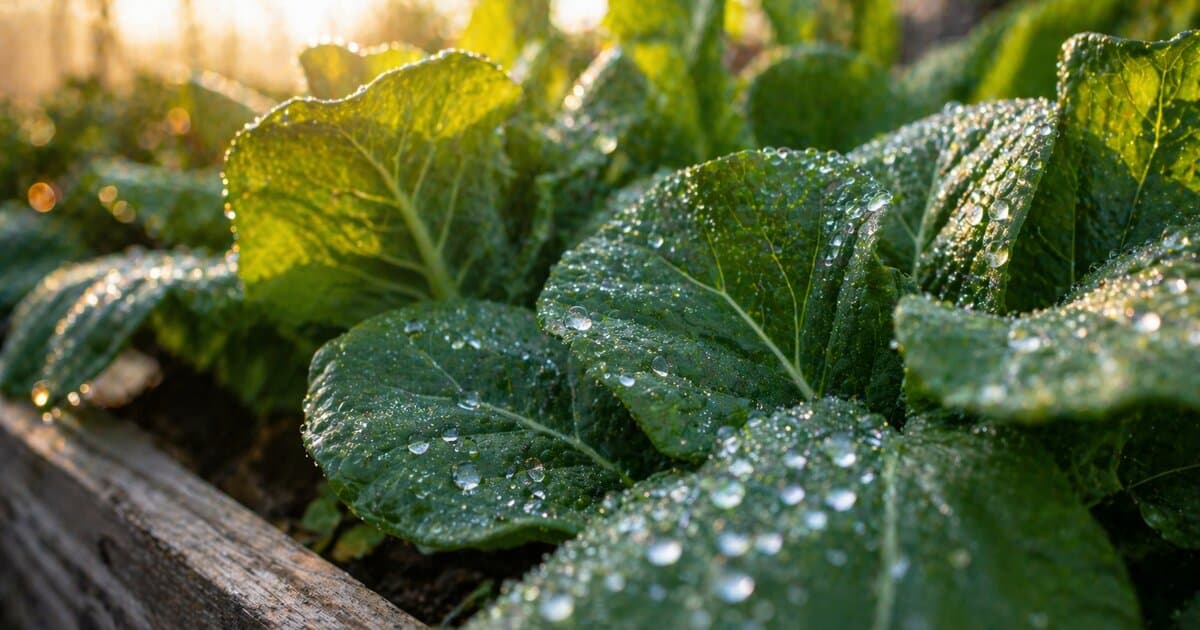
Overwatering and underwatering both kill plants, but overwatering is more common and far more confusing because the symptoms overlap. Yellowing leaves can mean either problem. Afternoon wilting is normal even in a well-watered garden on a hot day. Gardeners who water on a fixed schedule rarely know which problem they have until the damage is done.
The deeper problem with fixed-schedule overhead watering is disease. Fungal diseases need wet foliage to take hold. Water at 6pm and your plants stay wet overnight. Do that through a warm, humid summer and you will get blight, powdery mildew, or botrytis. Not bad luck. Physics.
- 1 in
- Per weekWhat most vegetables need in rainfall or irrigation
- 80%
- Disease reductionWhen switching from overhead to drip or soaker hose
- 6 am
- Best time to waterFoliage dries by afternoon, roots drink before heat peaks
- 6 in
- Target soil depthHow deep you need moisture to reach to build deep roots
How much water is actually enough?
Most vegetables need about 1 inch of water per week, or roughly 0.6 gallons per square foot. In practice, that means: water until the soil is moist to 6 inches deep, let it dry until the top 1 to 2 inches are dry, then water again. The calendar is not involved.
Deep, infrequent watering builds deep root systems. Roots follow water downward. Shallow, frequent watering keeps roots in the top 2 inches, where they bake in heat and dry out fast. Switching to fewer, longer watering sessions is one of the highest-impact changes any vegetable gardener can make.
| Crop | Water per week | Critical period | Tolerance |
|---|---|---|---|
| Tomatoes | 1–2 inches | Fruit set and swelling | Low. Inconsistency causes blossom end rot. |
| Peppers | 1–1.5 inches | Flowering through harvest | Moderate. Prefers even moisture. |
| Lettuce / Greens | 1 inch | All season | Low. Dry soil causes bitter bolting. |
| Beans | 1 inch | Flowering and pod development | Moderate between waterings |
| Squash / Zucchini | 1–2 inches | Fruit development | Moderate. Large leaves lose water fast. |
| Carrots / Beets | 1 inch | Root development, 4–6 weeks | Low. Dry soil creates forking and splitting. |
| Herbs (basil, parsley) | 0.5–1 inch | Establishment only | High once established |
Morning, evening, or midday?
Water in the morning. Foliage dries completely before nightfall, cutting fungal disease risk by a wide margin. Roots absorb moisture before the day's heat peaks. Less water evaporates from soil surfaces than with midday watering. It is the single easiest habit to get right.
MORNING WATERING
The right choice for all irrigation methods
- Foliage dries completely before nightfall
- Roots drink before peak heat stress
- Lower evaporation from soil surface
- Works with drip, soaker hose, and hand watering
EVENING WATERING
Acceptable only with drip or soaker hose
- Wet foliage overnight causes fungal disease
- Acceptable if using drip or soaker hose (foliage stays dry)
- Worst choice for overhead irrigation or wand watering
- Fine for container plants if you water the soil, not the leaves
Midday watering on hot days is not harmful to plants. The myth about water drops acting as magnifying glasses and burning leaves has no evidence behind it. Midday watering is wasteful because evaporation peaks at noon, but it will not hurt established plants.
Drip, soaker hose, or hand watering?
Your irrigation method determines disease pressure, water efficiency, and how many hours a week you spend holding a hose. The best choice for most vegetable gardens is drip irrigation. Soaker hose is a close second. Hand watering works well but takes longer and is easier to get wrong.
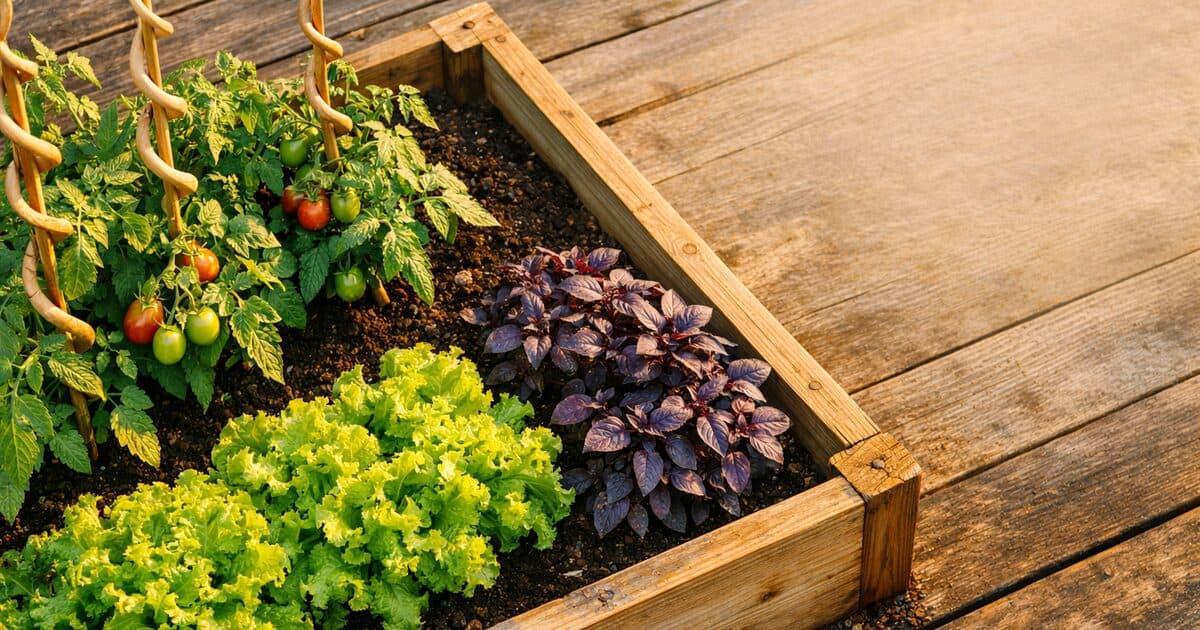
Drip irrigation delivers water directly to the root zone, keeps foliage completely dry, and uses 30 to 50% less water than overhead methods. A full setup for one raised bed costs $50 to $150 and takes an afternoon to install. Pair it with a timer and your morning watering happens at 5am without you.
Soaker hose is cheaper and nearly as effective. It lays along the base of your plants and weeps water slowly into the soil. Great for row crops. Less ideal for raised beds with mixed plant spacing, where a drip system's flexibility matters more.
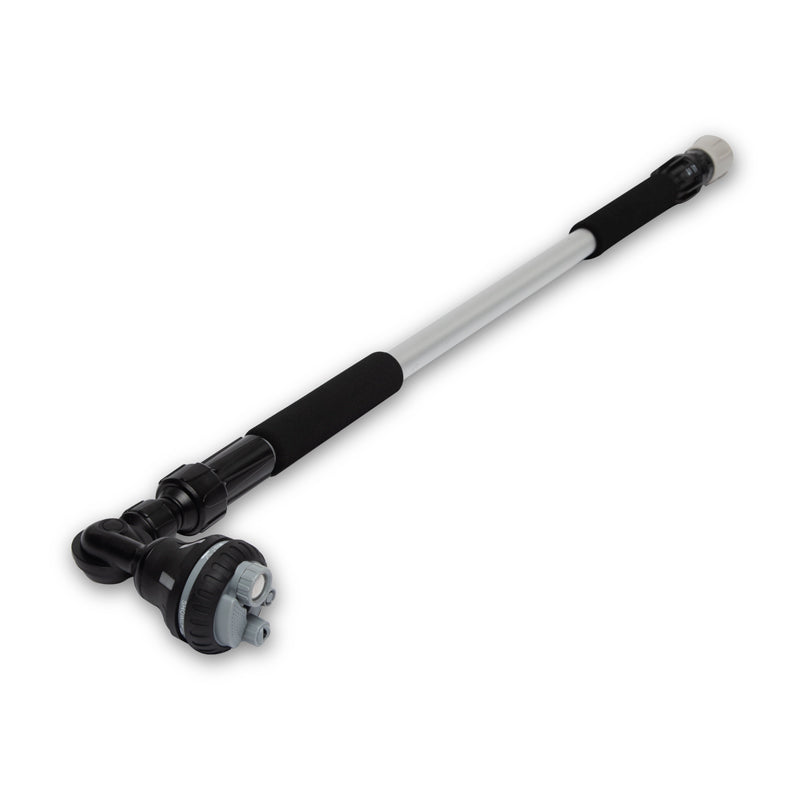
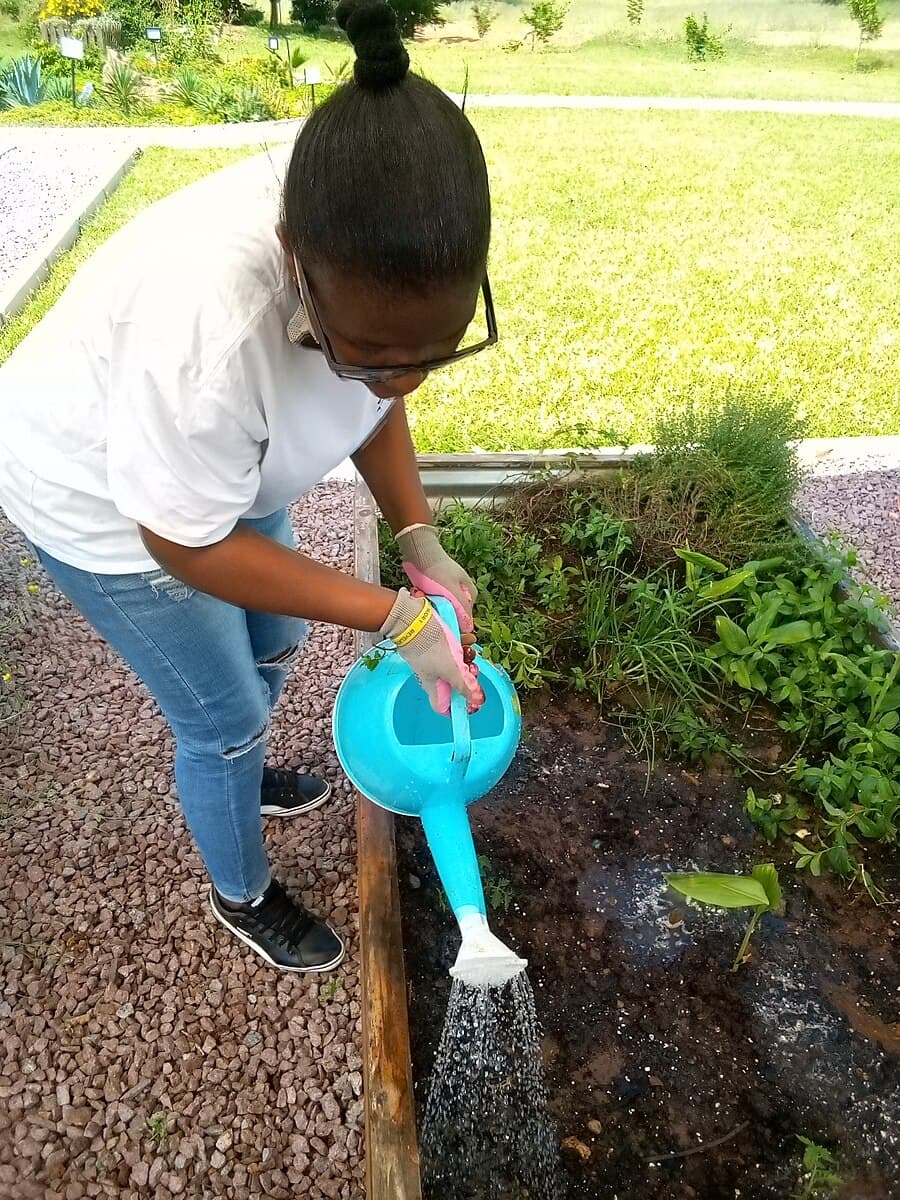
Hand watering is the baseline. The most common mistake: moving too fast and wetting only the top inch. Slow down, point the wand at the base of each plant, and give it enough time for water to percolate 6 inches down. Most gardeners underestimate this by a factor of three.
Reading what your plants are telling you
Overwatering and underwatering share some symptoms, which makes diagnosis harder than it looks. But there are reliable differences if you know where to look.
Overwatering signs: yellowing of lower leaves (not just the tips), soft or mushy stem base, a root rot smell when you probe the soil near the base, wilting despite wet soil, algae or moss on the soil surface, and leaves that feel limp and waterlogged rather than crisp.
Underwatering signs: crisp wilting (leaves feel dry, not limp), leaves rolling or curling inward, dry crumbly soil even 1 inch below the surface, tip browning on older leaves, slow or stunted growth, and a hollow sound when you knock on a container.
The finger test
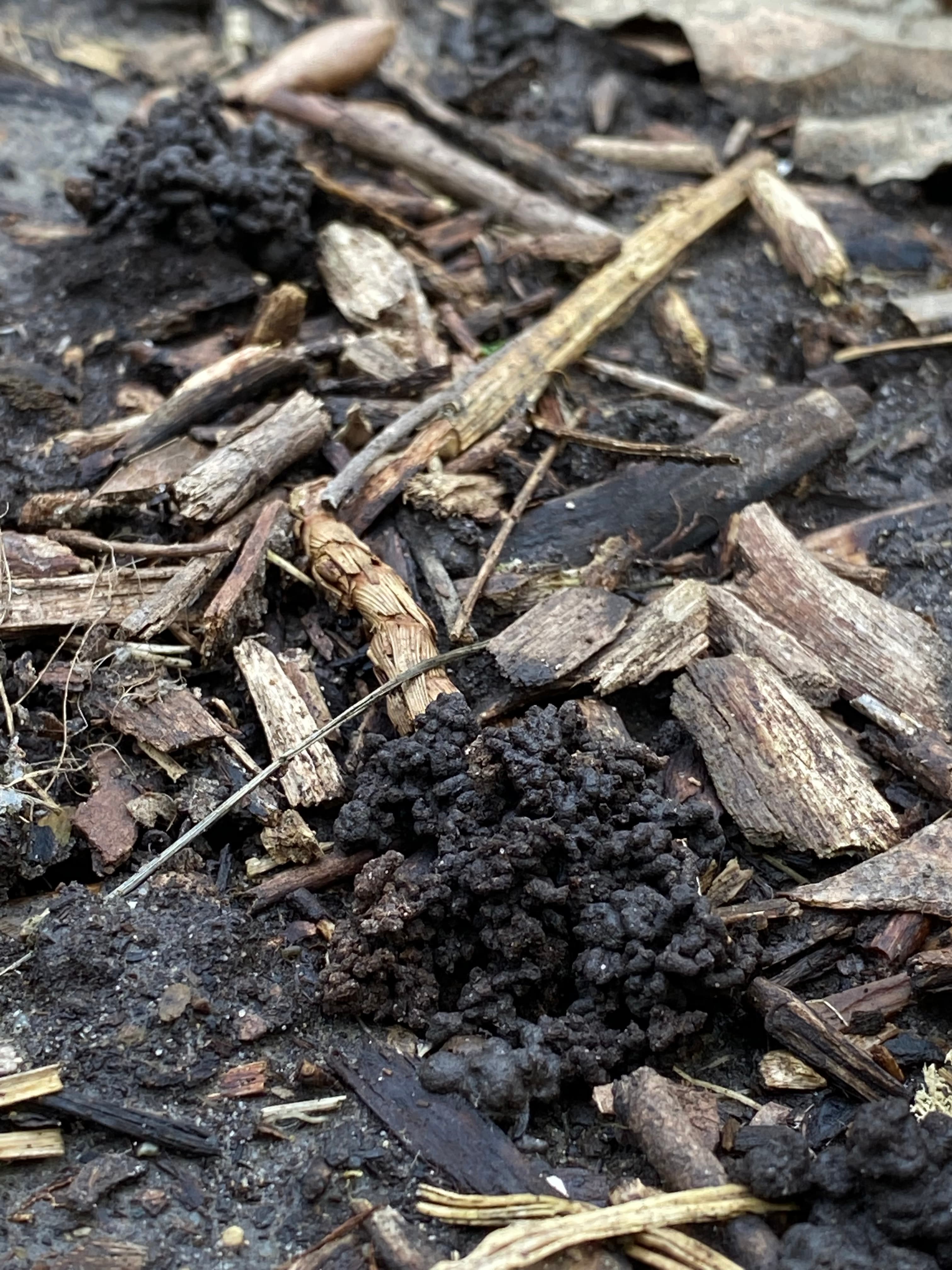
The most reliable watering tool you own costs nothing. Push your index finger about 2 inches into the soil near your plants. That's roughly to the second knuckle.
Finger comes out dirty and moist: adequate moisture, hold off. Finger comes out clean and dry: water now. Faster, cheaper, and more accurate than any moisture meter or calendar-based schedule. It works in every garden, in every climate, for every crop.
The soil knows what it needs. You just have to ask it before you pick up the hose.
For containers, lift them. A dry container is noticeably lighter than a moist one. After a few weeks, you'll recognize the weight of a thirsty pot at a glance, without probing the soil at all.
Watering setup checklist
Run through this before the summer heat arrives. It only takes 20 minutes and catches the problems that cause the most damage.
- Identify your current irrigation method for each bed or container area
- Switch any overhead sprinklers on vegetable beds to drip or soaker hose
- Set irrigation timers to run between 5am and 8am
- Verify emitters are positioned at the base of plants, not near stems
- Perform the finger test on each bed before each watering session
- Water deeply when you do water. Check moisture to 6 inches with a skewer.
- Mulch exposed soil with 2 inches of straw or wood chips to reduce evaporation
- Check containers daily in hot weather. They dry faster than in-ground beds.
- Inspect the base of plants weekly for signs of overwatering or poor drainage
- Note when plants wilt. Morning wilt is a problem; afternoon wilt usually is not.
- Track rainfall with a rain gauge and subtract from your target weekly amount
- Review the system setup before each new growing season for blocked emitters